Monologues for Auditions: How to Choose, Cut and Perform One
The right audition monologue fits your age and type, runs about a minute and lets you show a real change. How to find one, cut it, rehearse it and deliver it, with an original practice piece.
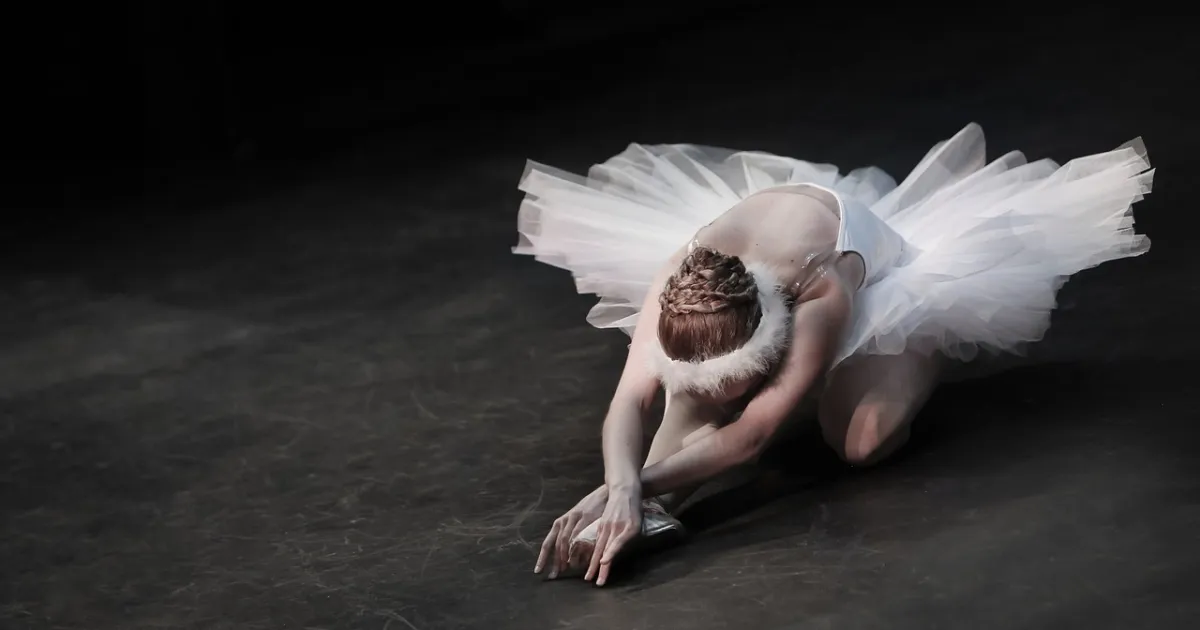
A monologue is a speech by one character, and in an audition it is your calling card: a minute or two in which the panel sees how you think, listen and change. The best audition monologue is not the most impressive speech ever written. It is the one that shows you at your best, in the kind of role you could actually be cast in.
What a good audition monologue has
- A clear person you are talking to, and something you want from them.
- A change: the character ends somewhere different from where they started.
- Your age range and type: roles you could plausibly play now.
- Active language: trying to convince, accuse, confess or win, not just describing.
- A self-contained arc that makes sense without the rest of the play.
Contemporary or classical? Comic or dramatic?
| Type | When it is asked for |
|---|---|
| Contemporary | Most film, TV and modern theater auditions |
| Classical (Shakespeare, Greek, Restoration) | Classical theater, drama school and conservatory auditions |
| Comedic | Comedies and when a panel asks for contrast |
| Dramatic | Most general auditions |
Many drama schools ask for two contrasting pieces. Keep one comedic and one dramatic, or one contemporary and one classical, ready at all times.
Length
Unless the audition says otherwise, aim for about 60 to 90 seconds. Two minutes is a usual maximum. Panels often decide in the first thirty seconds, and a piece that runs over can be stopped.
Where to find monologues
- Published plays: the best source, because you can read the whole play and understand the character. Libraries and play publishers' catalogs are full of them.
- Monologue anthologies and online libraries, used as a starting point to find plays worth reading.
- Teachers and coaches, who know what is overdone in your market.
Avoid pieces everyone uses, speeches from very famous film performances and material written mainly to shock. Read the full play before you perform any monologue from it.
How to cut a monologue
- Find the core action: what the character wants in this speech.
- Cut lines that repeat that want without raising the stakes.
- Remove references the panel cannot follow without the play.
- Keep the turn and the ending intact.
An original practice monologue
Written for this site; free to use in class and practice.
JESS, late 20s, to her brother, on the night before their father's house is sold.
"You keep saying it's just a house. Fine. Then tell me why you parked across the street. You haven't parked across the street since you were sixteen and you'd dented his car. You were scared to walk in. You still are. ... I'm not asking you to cry. I'm asking you to come in, take one thing, anything, the ugly lamp, and carry it out yourself. Because tomorrow strangers carry everything out, and I will not be the only one who said goodbye to this place."
Performing it
- Place your partner just beside or above the panel, not in their eyes, unless asked.
- Introduce yourself and the piece simply: name, character, play, playwright.
- Take a beat before you start and after you finish.
- Be ready for redirection: panels often ask you to try it another way to see if you listen.
Recording it instead? See how to record a self-tape.
Questions
How long should an audition monologue be?
About 60 to 90 seconds unless the audition specifies otherwise; two minutes is a common maximum.
Should I memorize the whole monologue?
Yes. Audition monologues are always performed from memory.
Can I use a monologue from a movie?
It is usually better to use one from a play; film speeches are tied to famous performances and are often overdone.
Sources
Next scene
Monologues by Type: 30-Second, Villain, College and Female Monologues (With Originals)
Three original monologues for specific audition needs: a 30-second piece, a villain and a college-audition speech, with tips for each. Free to use; credit The …
Short and Comedic Monologues for Auditions (With 3 Originals)
When the brief says "one minute, comedic", you need a tight piece with a clear turn. Three original monologues written for this site, free to use, and how to m…
Shakespeare Monologues for Auditions: 10 Strong Choices and How to Prepare
Classical auditions usually ask for Shakespeare. Ten speeches that work, for women and men, with where to find them, and how to handle the verse so it sounds l…