How to Audition for Voice Acting: Home Setup, Reads and Tips
Most voice-over auditions are recorded at home and judged in seconds. The basic setup you need, how to read the specs, how to slate and deliver, and the mistakes that get auditions skipped.
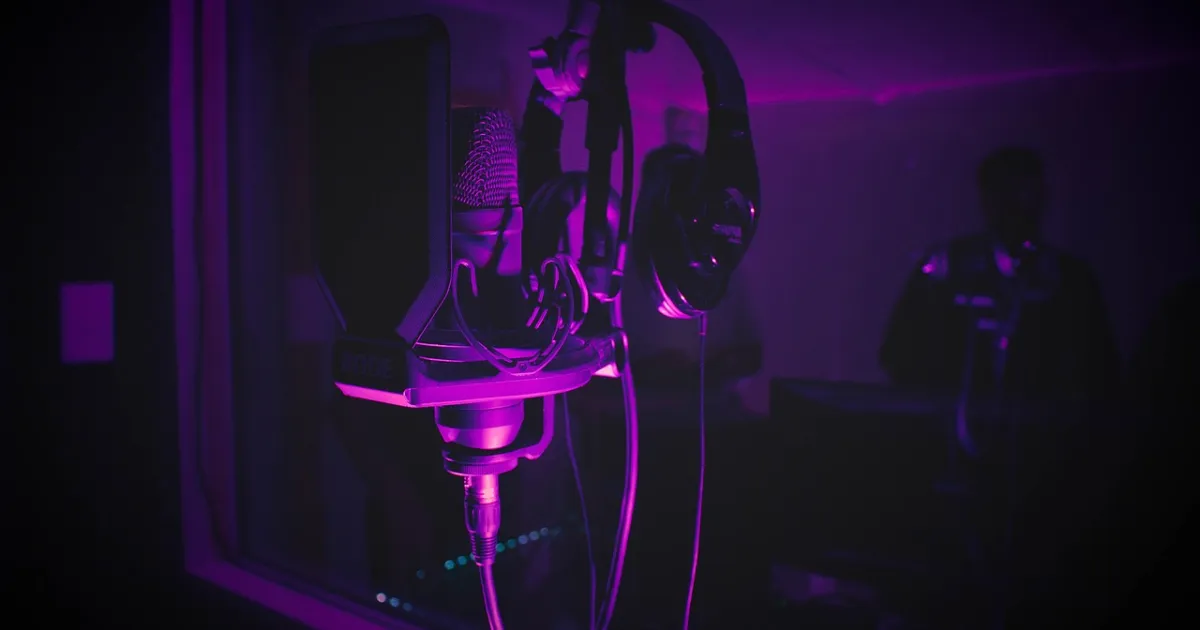
Voice acting covers commercials, animation, video games, audiobooks, narration and e-learning. Almost all first auditions are recorded at home and sent as audio files, and casting teams often decide in the first few seconds. Good acting still matters most, but sound quality and following instructions get you heard.
Where auditions come from
- Agents who specialize in voice-over.
- Online casting sites and voice-over marketplaces.
- Direct contacts with studios, producers and game developers.
Basic home setup
| Item | Why |
|---|---|
| A quiet, treated space | A closet full of clothes or a corner with blankets reduces echo; room sound matters more than the microphone |
| A decent microphone | A USB microphone can work to start; many pros use an XLR condenser with an audio interface |
| Pop filter | Reduces plosives on "p" and "b" |
| Headphones | Closed-back, to hear what you are recording |
| Recording software | Any program that records and edits audio |
Reading the specs
Every audition comes with specs: character description, age range, tone, references and technical requirements. Read them twice. If the specs say "warm, conversational, not announcer-y", that is the job.
Recording the audition
- Slate only if asked: usually your name and the role, in your natural voice.
- Warm up your voice and body first.
- Make a choice about who you are talking to and why.
- Record a few takes, pick the best one, and do not over-edit.
- Clean the file: remove long silences, noises and breaths that distract, but keep it natural.
- Follow the file rules: format, naming, length and deadline.
Common mistakes
- Room echo or background noise: the most common reason auditions are skipped.
- Putting the best take second or third instead of first.
- Ignoring the specs to show off range.
- Heavy processing or music added to the audition.
- Sending late or in the wrong format.
Training
Voice acting is acting: script analysis and truthful delivery matter as much as a nice voice. General audition habits from audition tips apply, and acting classes help; see online acting classes.
Questions
How do I start voice acting with no experience?
Train in acting, set up a quiet home recording space, record practice reads and start auditioning on casting sites while building a demo.
What equipment do I need for voice acting auditions?
A quiet, treated space, a decent microphone, a pop filter, closed-back headphones and recording software.
Should I slate in a voice-over audition?
Only if the instructions ask for it; usually name and role in your natural voice.
Sources
Next scene

How to Slate for an Audition (In Person and on Self-Tape)
The slate is the few seconds before your audition when you introduce yourself to camera. What to say, how to look, when casting wants profiles or full-body sho…
How to Audition for Commercials: What Casting Looks For
Commercial auditions are short, fast and often wordless. What casting looks for, how to slate, handle copy and improvise, what to wear, and how commercial acti…

How to Audition for a TV Show: Roles, Sides and Producer Sessions
TV moves fast: sides arrive late, tone is everything and roles range from one line to series regular. How TV casting works, how to prepare in a day, and what h…